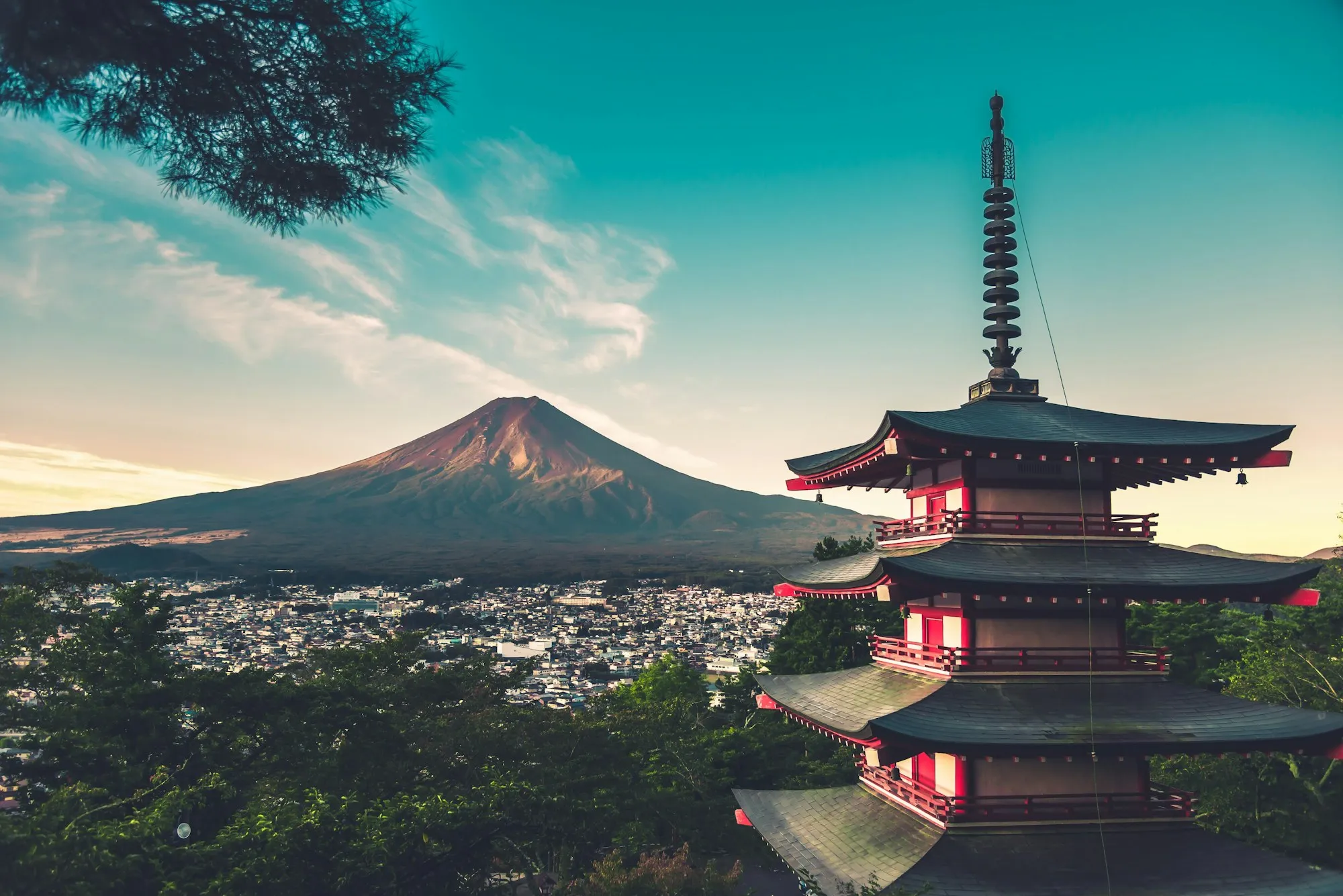
What to know before traveling to Japan, from Tokyo to Kyoto and Osaka, comes down to a few things: the entry rules, cash and cards, the new tax-free refunds from November 1, 2026, no tipping, plugs and a handful of manners. Traypass keeps them under Good to know for every country on your trip. Here they are for Japan, checked on October 25, 2026.
- Stay without a visa
- 90 days
- With a US passport, for tourism or business visits
- Departure tax
- ¥3,000
- About $19. Since July 1, 2026, usually included in your plane ticket
- Tax-free from
- ¥5,000
- Per shop, per day. From November 1, refunded after you leave
Do you need a visa for Japan?
No. With a US passport you can stay up to 90 days without a visa, for tourism, visiting friends or business meetings, but not for paid work. Japan has no six-month rule: your passport just has to be valid for the whole stay.
Carry your passport at all times, as Japanese law requires of foreign visitors; a copy saved in Traypass, under travel documents, helps if you lose it. At immigration, every visitor 16 and older has their fingerprints and a photo taken.
Check your medicines before you pack. Up to a month’s supply of an ordinary prescription for your own use needs no paperwork. Adderall, like anything with amphetamine in it, is banned outright, and so are cold medicines with more than 10% pseudoephedrine, which rules out some sold in the US.
Entry requirementsUS
- No visa neededUp to 90 days for tourism or business visits. No paid work.
Visit Japan Web, and the JESTA that doesn’t exist yet
Before you fly, register on Visit Japan Web: the free official service where you register your immigration and customs details and get one QR code to show when you land. You can register on a computer, but you need the code on your phone at the airport. It isn’t compulsory, and paper forms still exist. Use the government’s own site: copycat apps exist.
You may also read about JESTA, a travel authorization like the US ESTA. Japan passed the law for it in May 2026, but it isn’t due to start until 2028, so nobody needs it today and there is nothing to apply for. Ignore any site that offers to sell you one.
Where you’ll land
Most long-haul flights land in Tokyo, at Narita or Haneda, or at Kansai, the airport for Osaka and Kyoto. Haneda is the closer of Tokyo’s two; Narita is about an hour from the city.
- Tokyo Narita (NRT)Many long-haul flights to Tokyo
- Tokyo Haneda (HND)Closer to central Tokyo
- Osaka Kansai (KIX)For Osaka, Kyoto and Nara
- Nagoya Chubu Centrair (NGO)Central Japan
- Fukuoka (FUK)Kyushu
- Sapporo New Chitose (CTS)Hokkaido
- Okinawa Naha (OKA)Okinawa
Money: yen, cash and cards
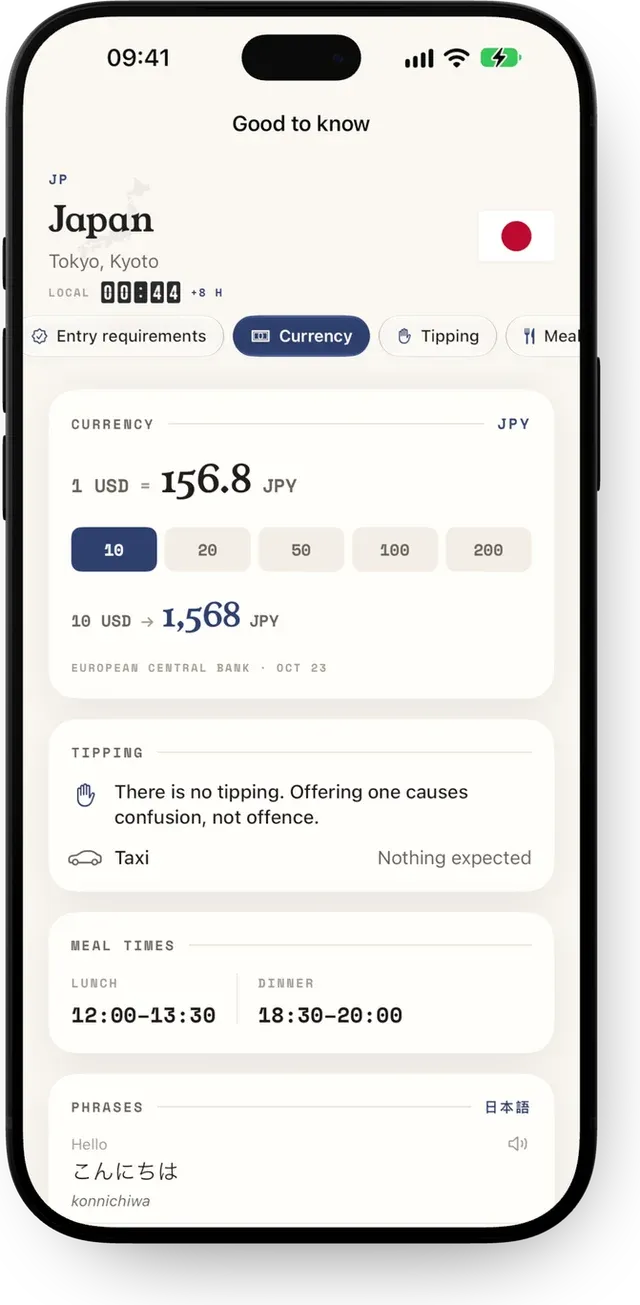
Japan’s currency is the yen (JPY). On October 23, 2026, $1 was worth ¥156.80, so ¥1,000 is about $6.40 and ¥10,000 about $64. More than half of consumer spending in Japan is now cashless, but small restaurants, temples, shrines and market stalls often take cash only.
For cash, the ATMs in 7-Eleven stores, more than 28,000 of them and open day and night, take Visa and Mastercard up to ¥100,000 a withdrawal; you’ll find the same machines at the main airports. Post office ATMs take most foreign cards too. If the machine offers to convert the amount into dollars, choose yen; otherwise you’ll get a worse exchange rate. A small fee may apply, and your bank may add its own.
One cost you may not notice: since July 1, 2026, Japan’s departure tax is ¥3,000 (about $19), up from ¥1,000. It is normally added to your plane ticket.
CurrencyJPY
1 USD = 157 JPY
10 USD →1,568JPY
European Central Bank · Oct 23, 2026
Getting around: Suica and the JR Pass
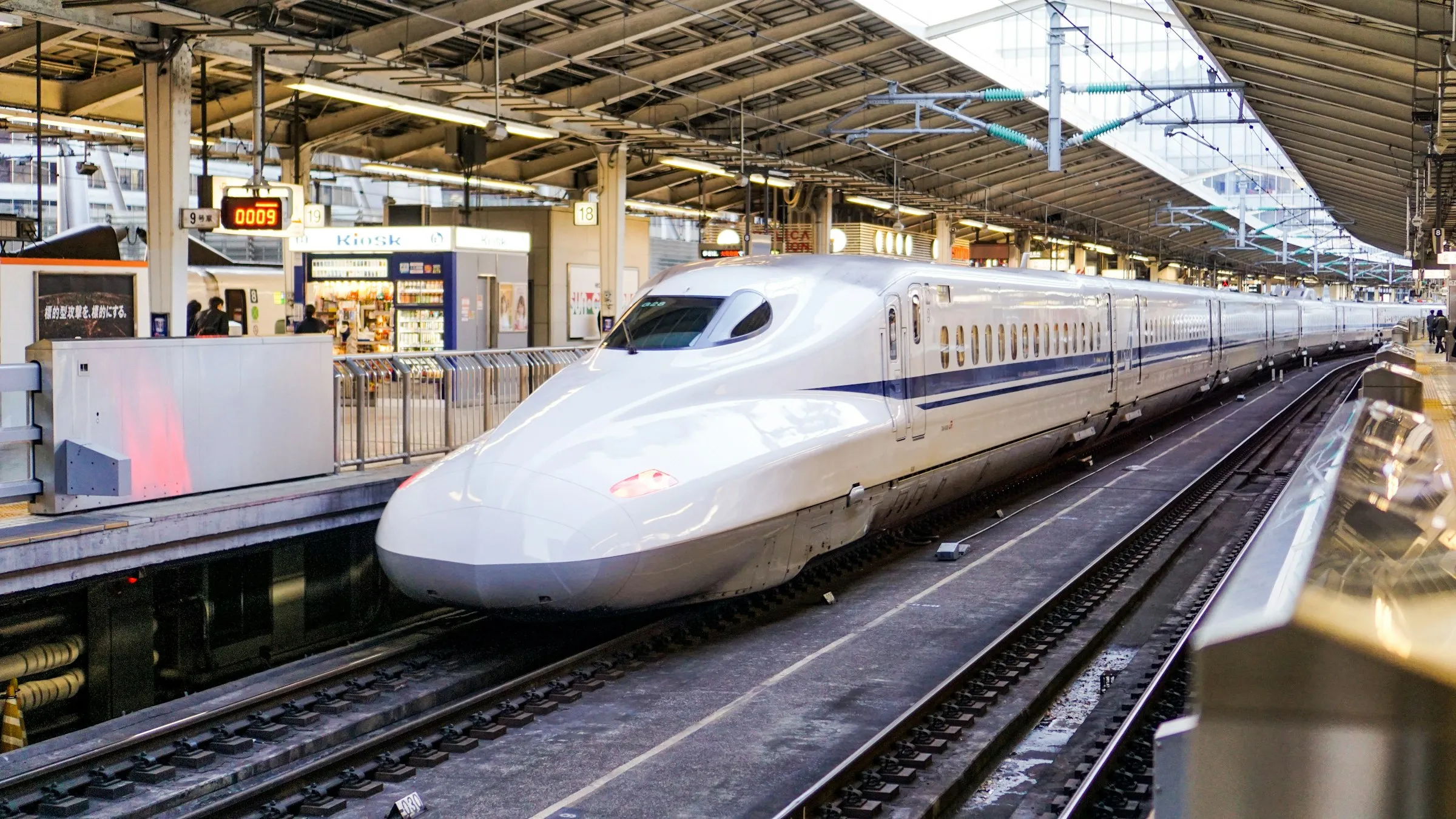
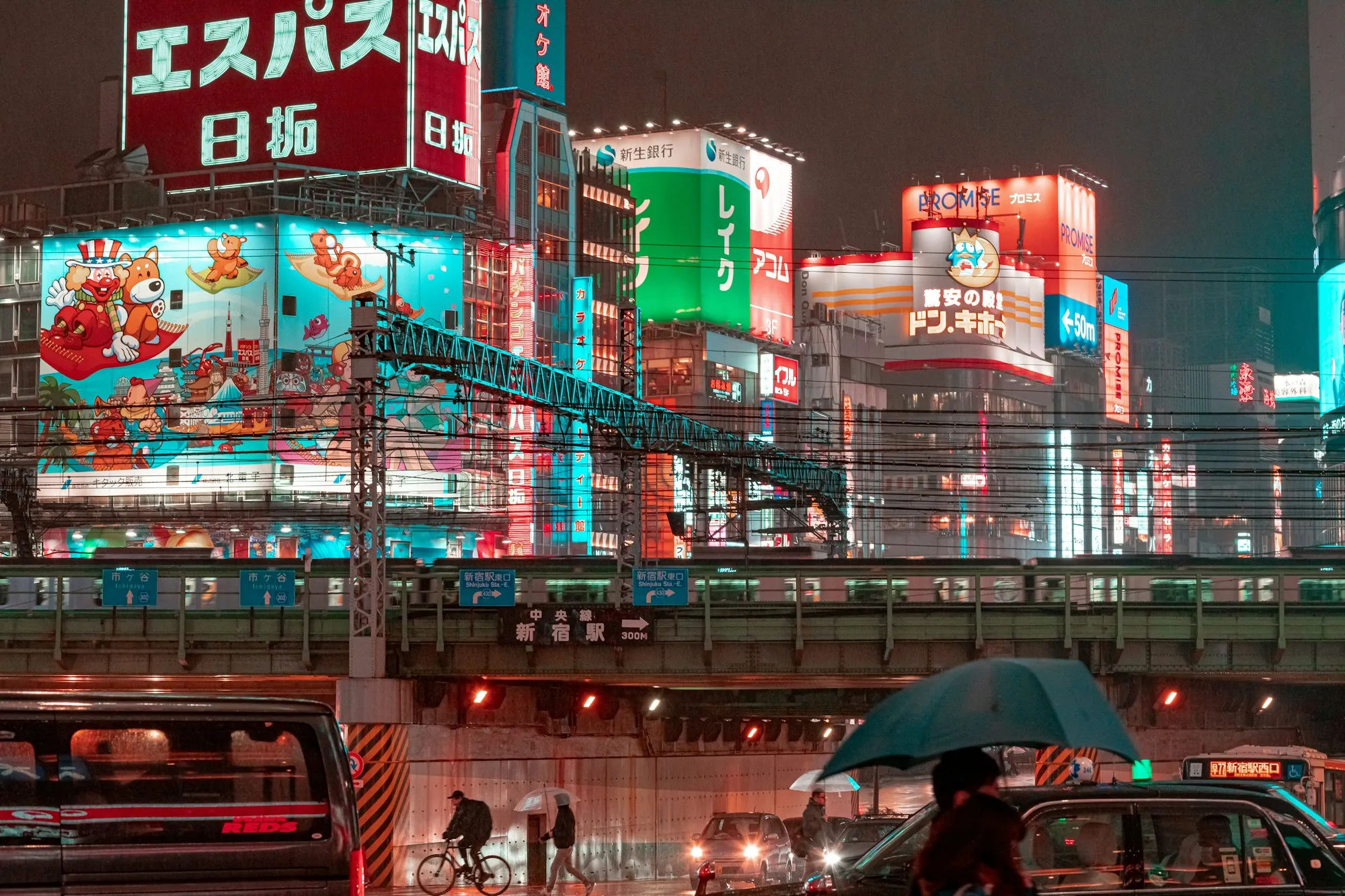
For trains, subways and buses in the cities, tap an IC card such as Suica or PASMO at the gate. Suica, PASMO or ICOCA can also live in your iPhone’s Wallet app, topped up with Apple Pay or with cash. The plastic Welcome Suica for visitors needs no deposit, lasts 28 days and is topped up with cash at station machines. The same cards pay in convenience stores and many shops; the Shinkansen and other long-distance trains need a ticket.
 Marek Okon · Unsplash
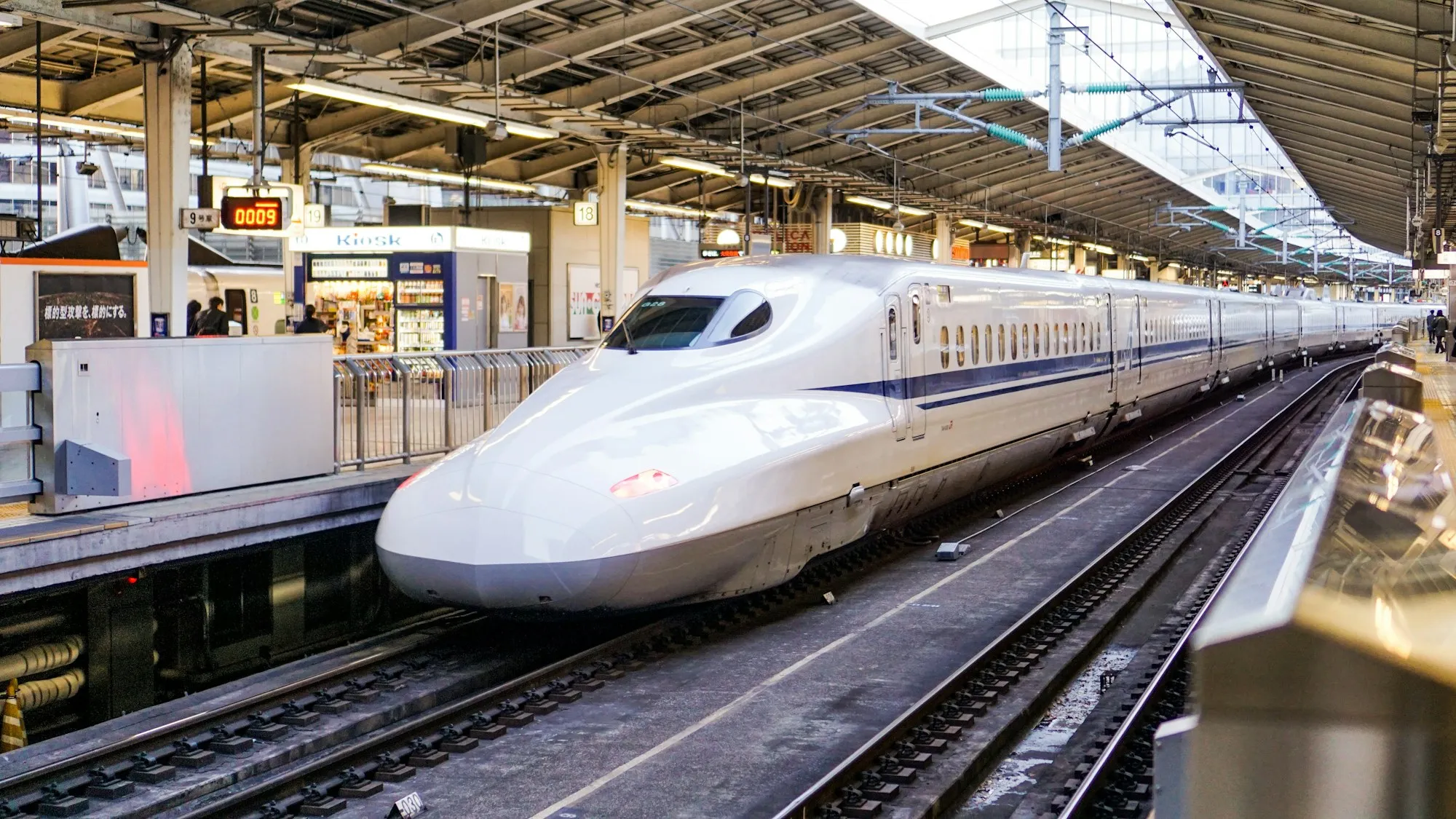
The Japan Rail Pass covers JR trains, the Shinkansen included, for 7, 14 or 21 days. Its prices went up on October 1, 2026, but only through overseas agencies: on the official website they stay as they were, for now. These are the prices for standard class (JR calls it the ordinary car):
| Adult pass | Official site | Overseas agency |
|---|---|---|
| 7 days | ¥50,000 | ¥53,000 |
| 14 days | ¥80,000 | ¥84,000 |
| 21 days | ¥100,000 | ¥105,000 |
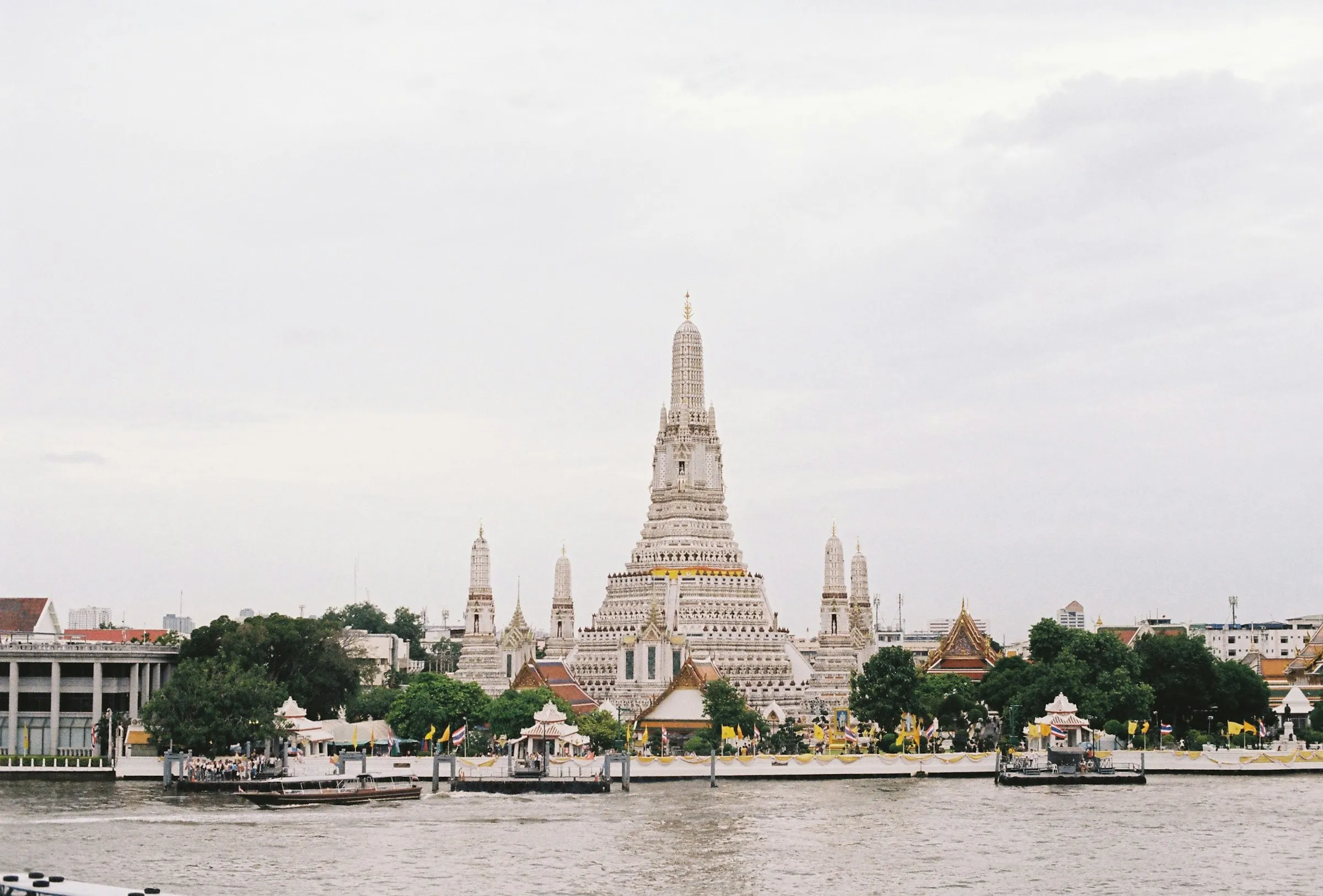
 Fikri Rasyid · Unsplash
Only a pass bought on the official website lets you reserve seats in advance, and the fastest trains, the Nozomi and the Mizuho, need an extra ticket even with a pass. A round trip from Tokyo to Kyoto costs about ¥28,000, so a 7-day pass, at ¥50,000 (about $319), only pays off if you take several long trips.
Tax-free shopping changes on November 1, 2026
From November 1, 2026, you pay the full price in tax-free shops, tax included, and get the consumption tax back after you leave Japan. Until October 31, the shop takes it off at the register.
- In the shop, spend ¥5,000 or more before tax, in one shop on one day, and pay the full price.
- At the airport, before check-in and within 90 days of buying, scan your passport at a tax-free kiosk. Green means you’re done; red means you show the goods at customs.
- The refund comes from the shop or its refund operator, by the method you chose at the shop.
Customs checks each receipt as a whole: if one item from it is missing, you lose the refund on that receipt. Food, drinks and cosmetics no longer come in sealed bags, but anything you eat, drink or use in Japan loses its refund. At Narita, Haneda, Kansai, Chubu, Fukuoka, New Chitose and Naha, you can do the airport step on Visit Japan Web instead, over the departure lobby’s Wi-Fi.
Do you tip?
No. Not in restaurants, bars, cafes, taxis or hotels: the price on the bill is what you pay, and some restaurants and hotels add a service charge to it. The one exception is a private guide or interpreter used to foreign visitors, who may accept a tip given discreetly in an envelope.
Tipping
- There is no tipping. Offering one causes confusion, not offence.
- TaxiNothing expected
When people eat
People usually have lunch from noon to 1:30 p.m. and dinner from 6:30 to 8 p.m. Many restaurants close between lunch and dinner and take last orders early, so check the hours before you go.
Meal times
- Lunch
- 12:00–1:30 PM
- Dinner
- 6:30–8:00 PM
Plugs and power
Your plugs fit: Japan has type A sockets, with two flat pins, and some type B, the same shapes as at home. The power is 100 V rather than 120 V; most US devices work, and anything that heats, like a hair dryer, runs a little weaker. Older sockets may not take a plug with one wider blade, and a three-pin plug may need an adapter, so a small one is worth packing.
Chargers marked 100–240 V work anywhere. The frequency is 50 Hz in the east, around Tokyo, and 60 Hz in the west, including Kyoto and Osaka. And look right before you cross the street: cars drive on the left.
Plugs100 V
- Type A
- Type B
Your plugs fit
Compared with United States
Phone and data
Buy an eSIM before you fly, or rent a pocket Wi-Fi at one of the main airports or have it delivered to your hotel: for a short visit, Japan’s tourism board calls these especially convenient. For an eSIM, your phone has to be unlocked; every iPhone since the XR and XS supports one. For free hotspots, there is the Japan Wi-Fi auto-connect app.
Manners that matter
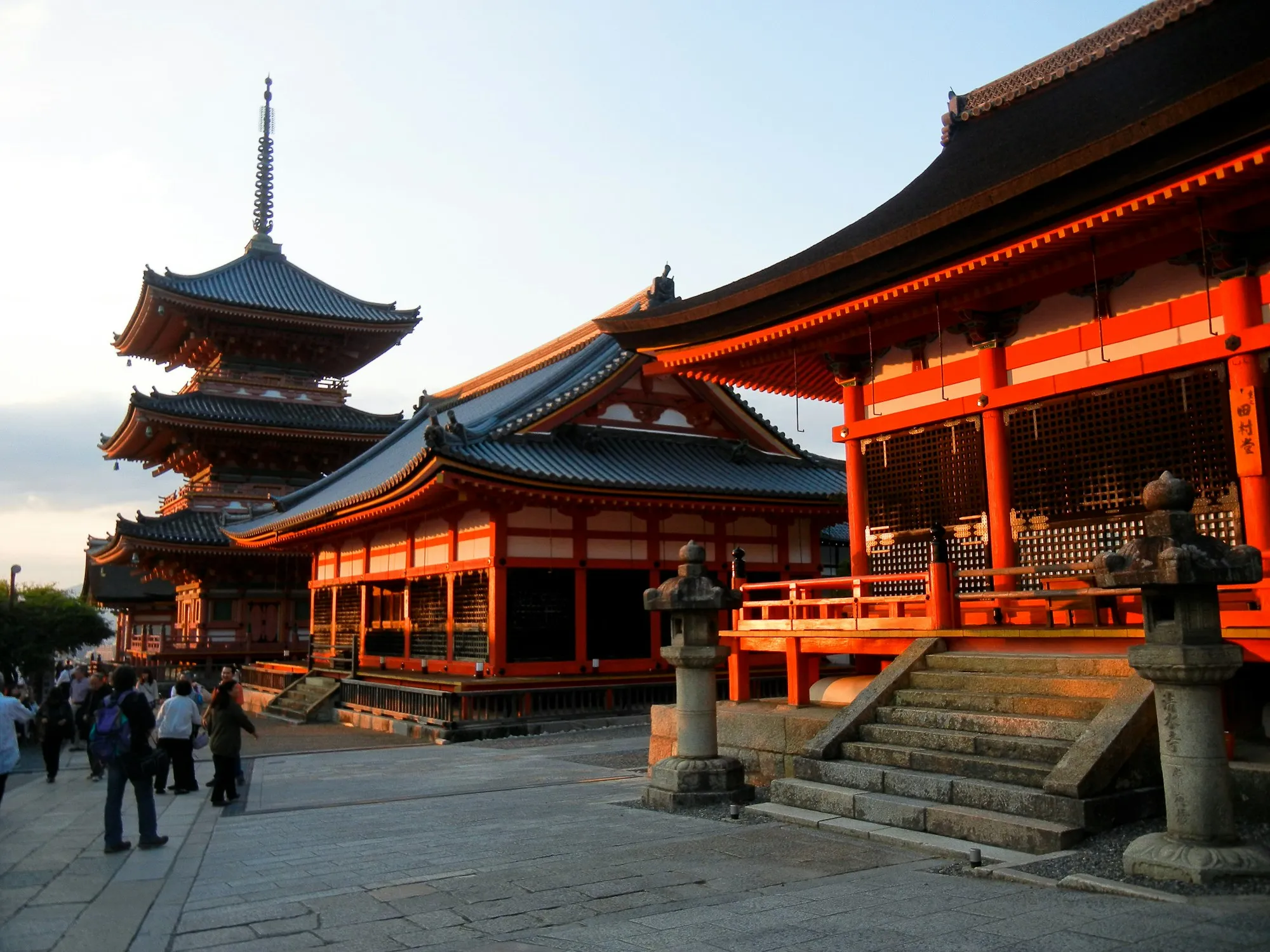
Above all, keep your voice down on trains, take your shoes off where you’re asked to, carry your trash with you and wait your turn.
 Griffin Quinn · Unsplash
- On trains, people talk quietly and don’t take phone calls. Use headphones for music and videos.
- Shoes off in homes and ryokan (traditional inn) rooms, in many temple halls, and at some restaurants and fitting rooms.
- Trash: public bins are rare, so carry yours until you find one or take it back to the hotel.
- Waiting your turn: line up where the floor markings show, and let people off the train before you get on.
- Baths: at an onsen or public bath, wash and rinse before you get in, and leave the swimsuit behind. Some baths turn away people with tattoos; ask first.
- Eating while walking is frowned on in crowded streets. In Kamakura, a city ordinance asks visitors not to do it in the busy, narrow lanes.
A few words of Japanese
Hello is konnichiwa and thank you is arigatō; arigatō gozaimasu is the more polite form. Sumimasen is excuse me, and it serves as sorry too.
Phrases日本語
- Helloこんにちはkonnichiwa
- Pleaseお願いしますOnegai shimasu
- Thank youありがとうArigatō
- Excuse meすみませんSumimasen
- Do you speak English?英語が話せますか?Eigo ga hanasemasu ka?
- The bill, pleaseお勘定お願いしますO-kanjo onegaishimasu
If something goes wrong
Call 110 for the police and 119 for an ambulance or the fire department, free from any phone. For help in English at any hour, the Japan Visitor Hotline answers at 050-3816-2787, every day of the year, for accidents, illness, disasters or anything else. Not sure it’s an emergency? In some regions, #7119 gives medical advice.
Travel insurance isn’t required to enter Japan, but medical care is expensive for visitors, so it is worth having.
 TraypassApp Store